Get a Free Property Valuation in 2-minutes with FindQo.ie Property Valuation Calculator!Free Valuation
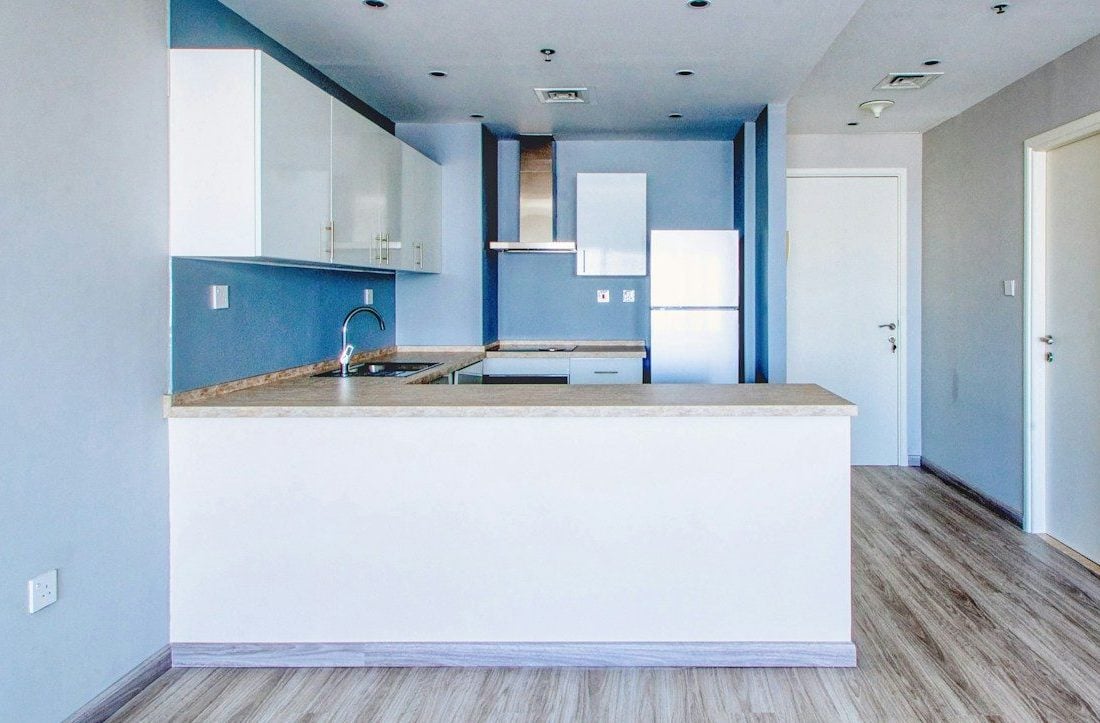
In today’s Irish property market, the emphasis on property condition is outpacing traditional price considerations. Buyers are increasingly prioritizing the quality of homes, influenced by various economic factors and shifting market dynamics. This trend is particularly evident in urban areas like Dublin, where the condition of a property can significantly affect its desirability and value.
As economic uncertainties linger, prospective buyers are becoming more discerning. They are looking for homes that not only meet their needs but also promise longevity and lower maintenance costs. This blog will delve into why property condition is crucial now, especially for those navigating the competitive landscape of Irish real estate.
The Irish property market is undergoing a notable shift, with buyers now placing greater emphasis on property condition rather than just price. Current trends indicate a preference for homes that are move-in ready, reflecting a broader desire for quality living environments amidst economic fluctuations.
Factors such as rising interest rates and inflation are influencing buyer behaviour, leading many to seek properties that require minimal investment in repairs or renovations. This shift underscores the importance of assessing property condition as a key determinant in the decision-making process.
In Dublin, the distinction between property conditions in areas like Dublin 2 and Dublin 8 is becoming increasingly pronounced. While properties in Dublin 2 often command higher prices, those in Dublin 8 are being valued more for their condition, particularly in light of recent developments and gentrification.
For example, properties located along the LUAS Green Line are often perceived as more valuable due to their excellent transport links and modern amenities. Buyers are willing to pay a premium for homes in good condition, even if they are slightly above budget, highlighting the growing trend of valuing quality over cost.
As of late 2023, property prices in Dublin and surrounding counties have shown a steady increase, with average prices hovering around €400,000. In Dublin 1 and Cork City, average monthly rents are reaching €2,000, reflecting the ongoing demand for quality housing.
Building Energy Ratings (BER) are becoming a crucial factor in buyer decisions. Properties with higher BER ratings are more appealing as they promise lower energy costs and improved comfort. In Dublin, the majority of properties fall within BER bands C to D, but there is a growing demand for those rated B or above.
Recent renovation trends highlight a shift towards modern aesthetics and energy-efficient upgrades. Popular styles include open-plan living spaces and sustainable materials, which can significantly enhance property value. A recent case study in Dublin showcased a renovated townhouse that sold for 20% above market value due to its modern upgrades and strategic location.
Local amenities play a vital role in the desirability of properties. In Dublin 4, residents benefit from excellent schools, parks, and cafés, contributing to a vibrant community atmosphere. Areas that offer a blend of urban conveniences and suburban tranquility are increasingly sought after.
Moreover, community features such as GAA clubs and proximity to universities enhance the appeal of certain neighbourhoods, making them more attractive to families and young professionals alike.
First-time buyers face unique challenges in assessing property condition. It’s essential to look beyond the surface and consider long-term investment potential. Areas like Finglas and Tallaght offer good-quality properties under €300,000, making them ideal for first-time buyers looking to enter the market.
Property condition significantly impacts resale value in Ireland. Homes that are well-maintained and updated generally fetch higher prices, as buyers are willing to pay more for properties that require less immediate investment. In competitive markets like Dublin, a good condition can be the difference between a quick sale and a prolonged listing period.
When assessing property quality, consider factors like structural integrity, energy efficiency ratings, and the condition of key installations such as plumbing and electrical systems. Additionally, the property’s location and proximity to amenities can greatly influence its overall quality and desirability.
Yes, areas like Dublin 2 and Dublin 4 place a higher premium on property condition due to their desirability and competitive market conditions. Buyers in these areas are often willing to overlook price if they find a property in excellent condition, making it crucial for sellers to invest in quality upkeep.
Improving your property’s condition can be achieved through simple renovations such as painting, landscaping, and updating fixtures. Consider obtaining a BER assessment to highlight energy efficiency improvements. These enhancements can increase buyer interest and potentially lead to a higher sale price.
Local amenities significantly influence how potential buyers perceive property condition. Access to schools, parks, and public transport can enhance the desirability of a home, making it appear more valuable. This perception can lead to quicker sales and higher offers, particularly in urban areas like Dublin.
Browse thousands of verified property listings on FindQo.ie