Get a Free Property Valuation in 2-minutes with FindQo.ie Property Valuation Calculator!Free Valuation
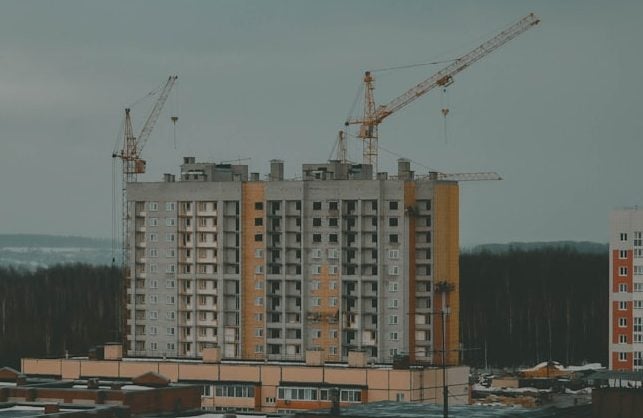
The landscape of building homes in Ireland has dramatically changed, with costs soaring across the board. From construction material inflation to labour shortages, various factors contribute to the rising expenses associated with new builds. As cities like Dublin and Cork exemplify this trend, it is vital to understand the underlying causes that are making home construction increasingly expensive.
In recent years, many potential homeowners and investors have felt the pinch of escalating prices in the property market. This blog will delve into the various elements influencing the costs of building homes in Ireland, providing insights that are particularly relevant for those looking to navigate this complex landscape.
The current Irish property market is marked by significant cost increases, making it challenging for builders and buyers alike. Various economic factors, including inflation and supply chain disruptions, have led to a surge in prices. Dublin and Cork serve as prime examples of this trend, where demand continues to outstrip supply, pushing prices higher.
As the population grows and urbanisation accelerates, the need for affordable housing has never been more pressing. The challenges faced in these cities reflect broader national trends, highlighting the urgent need for effective solutions in the housing sector.
Material costs have risen sharply in regions like Dublin 8, where construction projects are often delayed or re-evaluated due to budget constraints. This inflation is a significant barrier to new builds, causing many developers to rethink their strategies. The effects are felt widely, impacting both housing availability and affordability.
Timber prices have skyrocketed, leading to increased costs in residential construction. As timber is a fundamental material for building homes, this surge has a direct impact on project budgets and timelines. Furthermore, the prices of steel and concrete have also seen significant rises, particularly in major urban developments, compounding the challenges faced by builders.
The construction sector in Ireland is grappling with severe labour shortages, especially in cities like Dublin and Galway. As demand for new housing projects increases, the lack of skilled workers has become a bottleneck for many developers. This shortage not only affects the pace of new constructions but also inflates costs as companies compete for limited resources.
Labour shortages lead to significant delays in project completion, as seen in a recent development in South Dublin. Such delays can result in increased costs, as contractors may need to hire temporary or less experienced workers at higher rates. This situation ultimately affects the overall market, contributing to the ongoing housing crisis.
The regulatory environment in Ireland plays a crucial role in the costs associated with new builds. Stricter compliance requirements can lead to increased expenses for developers, who must navigate a complex landscape of local regulations. These costs are often passed on to homebuyers, further driving up prices in the market.
Planning permissions in areas such as Dublin 4 and Dublin 12 present unique challenges. The Dublin City Council has a significant influence on housing supply, and navigating these local planning processes can be cumbersome. Delays in obtaining necessary approvals can also exacerbate the housing shortage, making it even more difficult for potential homeowners to find suitable properties.
In Dublin, median house prices vary significantly, with Dublin 2 averaging higher than those in Dublin 10. Average monthly rent rates also differ dramatically across neighbourhoods, reflecting local demand and amenities. Time-to-sell statistics indicate that properties in sought-after areas are moving quickly, while others linger on the market due to pricing issues.
The desirability of a property is heavily influenced by local amenities, which can dramatically affect property prices. Areas with access to good schools, parks, and public transport tend to see higher demand, leading to increased costs for buyers. Understanding these factors can help potential homeowners make informed decisions.
In Dublin 6, the presence of reputable schools and educational institutions adds significant value to properties. Meanwhile, Cork City Centre boasts beautiful parks and recreational spaces that enhance the quality of life for residents. Furthermore, access to public transport facilities like the DART and LUAS makes commuting more convenient, further driving up local property prices.
Several factors are driving the increase in building costs in Ireland, including inflation in construction materials, labour shortages, and regulatory compliance requirements. These elements create a challenging environment for builders and can significantly impact the overall cost of new homes. Understanding these dynamics is crucial for anyone looking to enter the property market.
Labour shortages in Dublin’s construction sector have led to delays in project completions and increased costs. With fewer skilled workers available, developers often face challenges in meeting demand, which can exacerbate the housing crisis. This situation highlights the importance of addressing workforce issues to ensure sustainable growth in the housing market.
The main regulatory challenges for new builds in Ireland include navigating local planning permissions, compliance with building regulations, and the associated costs. These challenges can lead to delays and increased expenses for developers, which are often passed on to buyers. Understanding these regulations is essential for anyone looking to invest in property.
First-time buyers can navigate the current property market by taking advantage of available schemes, understanding local market trends, and seeking guidance from real estate professionals. Websites like FindQo.ie provide valuable resources and listings that can help first-time buyers find their ideal home and make informed decisions.
Local amenities significantly impact property prices in Ireland, as areas with good schools, parks, and transport links tend to be more desirable. This demand can drive up prices, making it essential for buyers to consider the surrounding amenities when searching for a new home. Understanding these factors can help buyers make informed decisions in the competitive market.
The high cost of building homes in Ireland is influenced by various factors, including material inflation, labour shortages, and regulatory challenges. Understanding these elements is essential for anyone looking to navigate the property market effectively. As the demand for housing continues to grow, it is crucial for potential buyers and investors to stay informed and seek opportunities that align with their needs.
Thinking of selling or letting? List your property on FindQo.ie to reach buyers and renters across Ireland.
Browse thousands of verified property listings on FindQo.ie