Get a Free Property Valuation in 2-minutes with FindQo.ie Property Valuation Calculator!Free Valuation
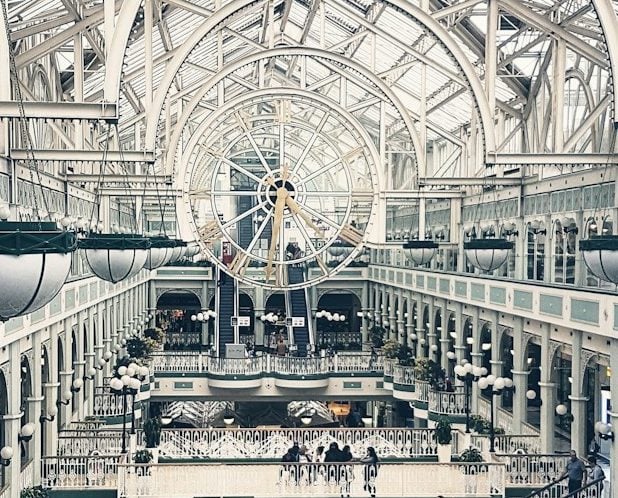
The landscape of retail in Ireland is rapidly evolving, with Irish town centres facing significant challenges while retail parks continue to thrive. This blog explores the various factors contributing to these changes, from car dependency to public transport accessibility, and the implications for property values and community engagement.
As we delve into the statistics and trends, it becomes clear that understanding these dynamics is crucial for buyers, renters, and investors in the Irish property market.
In recent years, there has been a noticeable shift in consumer behaviour, with footfall in Irish town centres declining sharply compared to the growth of retail parks. A report by the Central Statistics Office (CSO) highlights that footfall in town centres has decreased by approximately 20% since 2019, while retail parks have seen a 15% increase in visitors.
This trend raises questions about the future of Irish town centres, as consumers increasingly favour the convenience and accessibility offered by retail parks. The appeal of larger parking facilities and a wider range of shopping options is drawing shoppers away from traditional high streets.
Car culture plays a significant role in shaping shopping patterns across Ireland. In urban areas like Dublin, the contrast between town centres, such as Dublin 1, and retail parks in Dublin 15 illustrates this point. While retail parks offer ample parking and easy access from major roads, town centres often struggle with congested streets and limited parking options.
Parking facilities in town centres are often inadequate, leading to frustration among shoppers. In contrast, retail parks typically provide free parking, making them more attractive to consumers. For example, areas like Tallaght have implemented free parking incentives that have successfully drawn more shoppers to retail destinations.
Public transport links significantly impact the viability of town centres. Areas with robust transport connections, such as those along the LUAS Green Line, have seen better footfall. Dublin 14, for instance, benefits from easy access to the LUAS, which encourages shopping trips to nearby retail parks.
Daily commute statistics reveal that many residents prefer locations with convenient transport options. DART stations in coastal towns like Howth also contribute to increased footfall in local shops, highlighting the importance of public transport in retail success.
Current property prices and rental trends illustrate a stark contrast between town centres and retail parks. In Dublin 7, average rental prices for town centre properties are approximately €1,800 per month, while retail spaces in Blanchardstown average around €2,200 per month.
Amenities play a crucial role in the attractiveness of town centres. For instance, Cork City Centre offers a wealth of schools and community facilities, while retail parks in Mahon lack such offerings. This disparity can influence families’ decisions on where to live and shop.
Town centres like Galway provide access to parks and recreational spaces that foster community engagement. GAA clubs and local events contribute to a vibrant atmosphere, making these areas appealing. In contrast, retail parks often lack such community-driven activities, leading to a less engaging shopping experience.
Despite the challenges, there are opportunities for revitalising Irish town centres. Regeneration projects, such as those ongoing in Limerick city centre, aim to breathe new life into these areas. These developments focus on enhancing public spaces and attracting new businesses.
The rise of e-commerce is reshaping traditional retail spaces. Local businesses in cities like Waterford are adapting by enhancing their online presence and offering click-and-collect services, which could help bridge the gap between online shopping and in-store experiences.
Thinking of selling or letting? List your property on FindQo.ie to reach buyers and renters across Ireland.
The decline of Irish town centres can be attributed to several factors, including increased car dependency, the rise of retail parks, and changing consumer preferences. Many shoppers now prioritise convenience and accessibility, which retail parks offer through ample parking and diverse shopping options.
Car dependency significantly influences shopping habits in Ireland, as many consumers prefer driving to retail parks where parking is readily available. Town centres often struggle with congestion and limited parking, making them less appealing for shoppers who value convenience.
Amenities such as schools, parks, and community facilities enhance the appeal of town centres. Residents are drawn to areas that offer a vibrant community atmosphere, recreational spaces, and local events, which are often lacking in retail park settings.
Local businesses are adapting to competition from retail parks by enhancing their online presence and offering services like click-and-collect. Many are also focusing on creating unique shopping experiences that cannot be replicated in larger retail environments.
Future developments aimed at revitalising struggling town centres include regeneration projects that enhance public spaces and attract new businesses. Initiatives that focus on improving transport links and community engagement can also contribute to the vibrancy of these areas.
Browse thousands of verified property listings on FindQo.ie