Get a Free Property Valuation in 2-minutes with FindQo.ie Property Valuation Calculator!Free Valuation
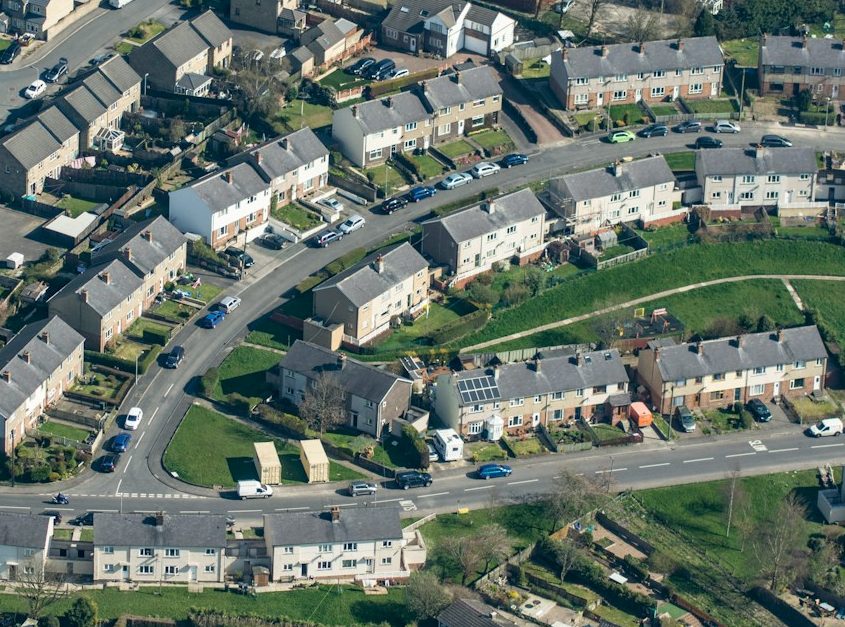
The Housing Assistance Payment (HAP) and cost-rental schemes are essential tools in Ireland’s rental market, yet many applicants struggle to secure accommodation due to delays and high rental costs. In urban areas like Dublin and Cork, these delays often leave tenants in precarious situations, highlighting the challenges faced by low-income renters.
The Housing Assistance Payment (HAP) helps low-income households access private rental accommodation, bridging the gap between social housing and the private market. Cost-rental schemes aim to provide affordable rental options, particularly in high-demand urban areas, by keeping rents below market rates. Both initiatives are critical, but delays in approvals undermine their effectiveness.
Dublin’s rental market is extremely competitive. In areas such as Dublin 2 and Dublin 8, median rents for a two-bedroom apartment now exceed €2,200 per month. HAP applicants face lengthy delays, sometimes waiting weeks or even months for approval. During this time, rental prices continue to rise, forcing many renters to compromise on location or quality, or risk homelessness.
Even when HAP is approved, affordability remains a challenge. Many tenants find that the portion of rent they are required to pay is still high relative to their income, limiting their options in central areas where access to transport and amenities is vital.
Cork City has also seen rising demand for cost-rental properties, particularly in neighbourhoods like Douglas and Ballincollig. While these schemes are intended to offer below-market rents, delays in approvals mean tenants often miss opportunities for housing. Local rents in Cork city centre average around €1,500 per month, making cost-rental schemes critical for affordability—but challenging to access in practice.
Delays in HAP and cost-rental approvals affect both renters and landlords:
In areas like Dublin 12 and Dublin 6, landlords report that uncertainty around HAP approval can discourage investment in properties or improvements, indirectly worsening the rental shortage.
These figures illustrate how competitive and costly the rental market is for HAP applicants.
Applicants can take several steps to improve their chances:
Despite these strategies, systemic delays and rising rents remain significant barriers for many low-income renters.
HAP and cost-rental schemes are vital for making housing accessible, yet delays and high rental costs continue to block many applicants from finding suitable homes. Streamlined approvals, increased housing stock, and clear communication between local authorities and tenants are essential to ensure that these programs fulfill their purpose.
Thinking of selling or letting? List your property on FindQo.ie to reach buyers and renters across Ireland.
HAP delays often stem from administrative backlogs, insufficient staff resources, and complex eligibility assessments. These factors can lead to prolonged processing times, leaving many applicants in limbo. As the demand for housing assistance increases, local authorities may struggle to keep up, further exacerbating the issue.
The cost-rental scheme in Dublin aims to provide affordable housing by allowing properties to be rented at a price that covers the cost of building and maintaining them. This approach helps ensure that rental prices remain sustainable for tenants, making it a vital part of Dublin’s housing strategy.
The average wait time for HAP approval can vary widely, but many applicants report waiting several weeks to months. Factors influencing this timeline include the demand for housing assistance and the efficiency of the local authority handling the application process.
In Cork, areas like Ballincollig and Douglas are where cost-rental schemes are being implemented, although access can still be limited due to delays. Prospective tenants should keep an eye on local developments and announcements for the latest information on availability and eligibility.
Landlords can adapt to HAP delays by diversifying their tenant base and considering properties that appeal to a wider range of renters. Staying informed about local market conditions and trends can also help landlords make strategic decisions that mitigate the impact of delays on their rental income.
Browse thousands of verified property listings on FindQo.ie