Get a Free Property Valuation in 2-minutes with FindQo.ie Property Valuation Calculator!Free Valuation
When searching for a new home, understanding the true cost of commuting in Ireland is essential. Commuting expenses can significantly affect your monthly budget, influencing your overall quality of life. With rising fuel and transport costs, the financial implications of commuting are more pressing than ever for Irish households.
As fuel prices climb, many residents find themselves reassessing their commuting habits. This blog delves into the various factors influencing commuting costs and how they shape housing decisions across Ireland.
Evaluating commuting costs is crucial when selecting a home. Commuting not only affects your finances but also your daily routine and lifestyle. As fuel and transport costs continue to rise, many families face the dilemma of choosing between affordable housing and manageable commuting times.
In Ireland, the average cost of commuting can vary significantly based on location, mode of transport, and distance. This blog aims to provide clarity on these costs and highlight their implications for buyers and renters alike.
Dublin’s suburbs present diverse commuting patterns, with many residents travelling to the city centre for work. Areas such as Bray, Maynooth, and Lucan are popular for their accessibility and transport links, making them attractive for those seeking a balance between suburban living and urban employment.
Bray, located just south of Dublin, offers a picturesque coastal lifestyle with an average travel time of around 45 minutes to the city centre via the DART. Maynooth is a vibrant college town with a similar commute, while Lucan provides a slightly longer travel time of about 50 minutes but boasts excellent bus services.
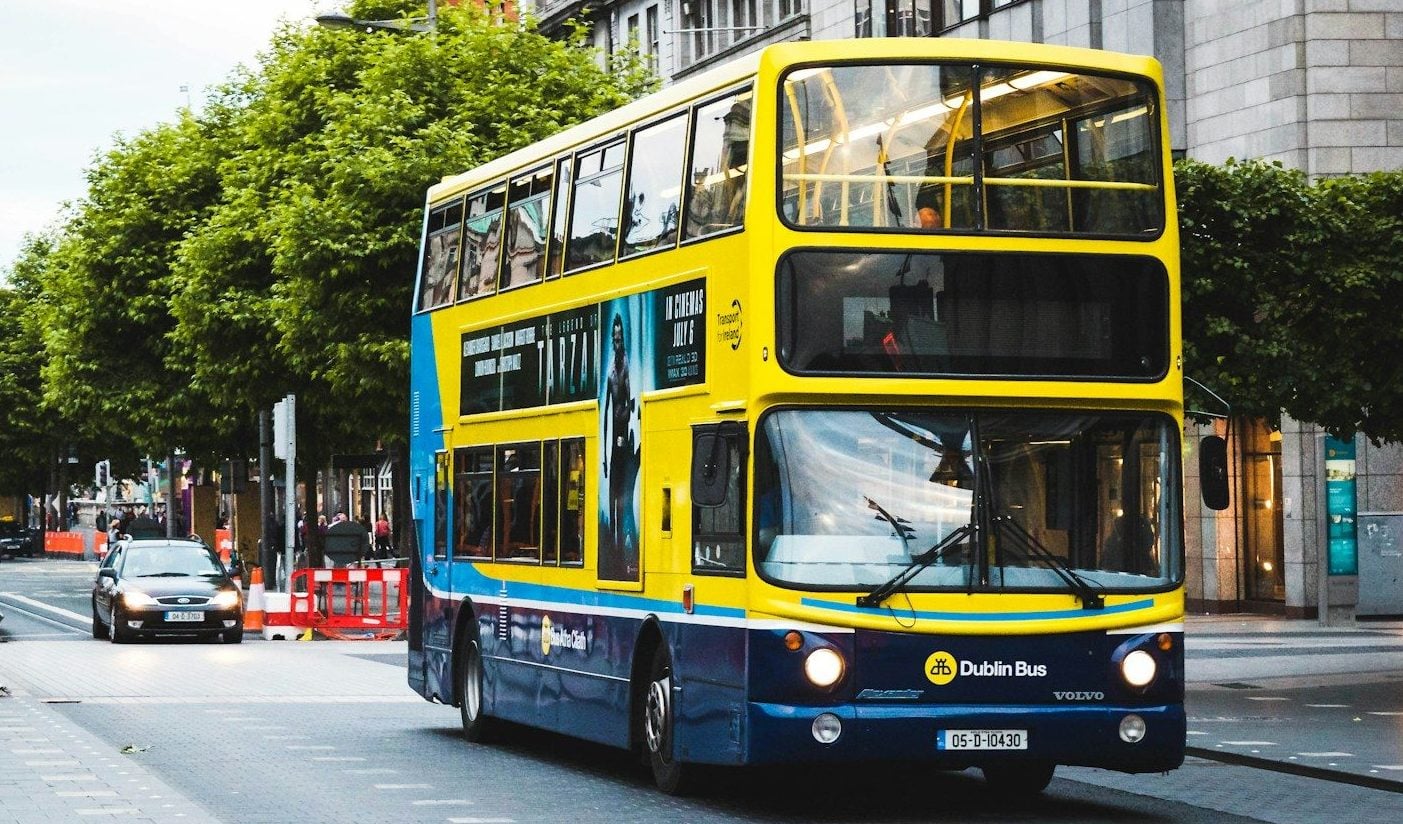
Public transport in Dublin is primarily serviced by the LUAS, DART, and bus networks. The reliability and coverage of these services play a crucial role in determining commuting costs. Many commuters rely on these options to minimise travel expenses, though delays and overcrowding can impact their effectiveness.
Commuting costs vary widely across Ireland, with cities like Cork and Galway presenting distinct scenarios. In Cork City, the average commuting cost is generally lower compared to Galway City, making it an attractive option for many professionals.
Suburban areas such as Ballincollig in Cork and Oranmore in Galway offer affordable housing options with reasonable travel times. Residents in Ballincollig can expect an average rent of €1,400, while Oranmore residents may pay around €1,300 for similar properties, with travel times to the city centre averaging 25 to 30 minutes.
Recent developments, such as the Cork Metropolitan Area Transport Strategy (CMATS), aim to improve transport infrastructure and reduce commuting times. These initiatives can significantly influence the housing market, encouraging more people to consider suburban living as a viable option.
Finding the right balance between commuting time and housing affordability is a challenge faced by many. In urban areas, the cost of living tends to be higher, pushing families to seek more affordable options further away from the city.
Location plays a critical role in the decision-making process for potential homebuyers and renters. The availability of amenities, such as schools, parks, and recreational facilities, can greatly influence commuting decisions.
Areas like Clonskeagh and Foxrock are known for their excellent schools and green spaces, making them desirable for families. Access to quality educational institutions and parks can enhance the overall living experience, thereby justifying higher property prices.
There is a clear correlation between access to amenities and property prices in various Dublin suburbs. Properties near schools, shopping centres, and recreational facilities tend to command higher prices, reflecting the demand for convenient living.
Understanding the current property market is essential for making informed decisions. In Dublin, the median house price stands at €500,000, while in Galway, it is approximately €350,000.
The future of commuting in Ireland is likely to be influenced by trends in remote work and advancements in transport links. Many companies are adopting flexible working arrangements, which may lead to reduced commuting times and costs for employees.
The National Development Plan aims to enhance housing and transport infrastructure, potentially transforming commuting patterns and making suburban living more appealing.
The average commuting time for residents in Dublin is approximately 45 minutes. However, this can vary significantly based on the suburb and mode of transport used. Many commuters rely on public transport, such as the LUAS and DART, which can offer more efficient travel times compared to driving.
Rising fuel prices directly affect commuting costs for drivers across Ireland. As fuel prices increase, many commuters find themselves spending a larger portion of their monthly budget on transport. This has led some to explore public transport options or consider relocating closer to their workplaces to reduce commuting expenses.
When choosing a location, consider factors such as commuting times, housing affordability, and access to amenities. It’s essential to evaluate how these elements align with your lifestyle and budget. For comprehensive property listings, visit FindQo.ie .
To find affordable housing near public transport, focus on areas with good transport links and amenities. Research local property prices and availability, and consider using online platforms like FindQo.ie to explore listings that meet your criteria.
Living in commuter towns often offers a better quality of life, with more affordable housing options and access to green spaces. These areas typically have lower property prices while still providing reasonable commuting times to urban centres, making them attractive for families and professionals alike.
In summary, the true cost of commuting in Ireland has significant implications for buyers, renters, and investors. As commuting expenses continue to rise, it is vital to consider these factors when searching for a home. Using FindQo.ie can help you find properties that align with your commuting preferences and lifestyle needs.
Browse thousands of verified property listings on FindQo.ie