Get a Free Property Valuation in 2-minutes with FindQo.ie Property Valuation Calculator!Free Valuation
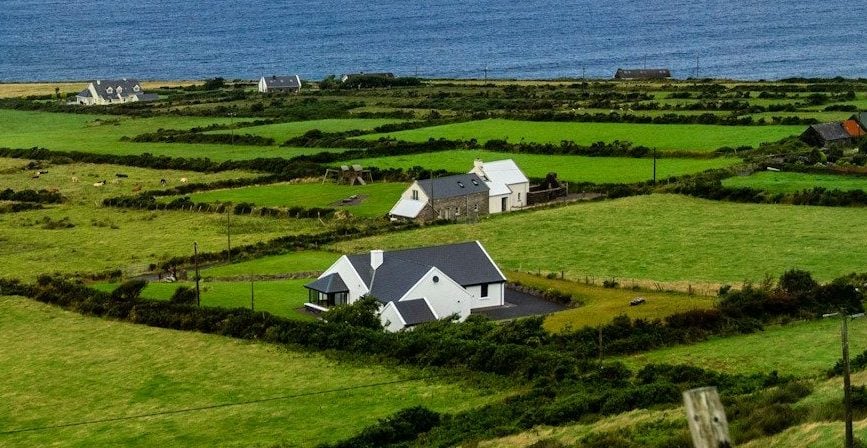
Rural living in Ireland offers a distinct allure for many buyers and renters, promising a lifestyle that contrasts sharply with urban environments. With scenic landscapes, lower house prices, and a slower pace of life, rural areas can be incredibly appealing. Some argue that living outside bustling cities like Dublin and Cork allows for a more connected community experience.
However, this idyllic lifestyle also comes with its own set of challenges. While the cost of living is generally lower in rural settings, potential residents must weigh accessibility to services and job opportunities against the charm of country life.
The appeal of rural areas for buyers and renters can be attributed to several factors, including the tranquil environment and the sense of community. Many find the slower lifestyle refreshing compared to the hustle and bustle of urban centres. Additionally, lower house prices are a significant draw, as many properties outside cities can be found at a fraction of the price.
For instance, while average house prices in Dublin can soar to around €450,000, rural areas like County Kerry offer homes for approximately €250,000. This price difference can make rural living an attractive option for first-time buyers and families seeking more space.
The current housing market shows a stark contrast between rural and urban areas. In addition to the price differences, average monthly rents illustrate this divide; for example, renting in Galway averages about €1,200, while Dublin sees rents around €1,800. These statistics highlight the financial benefits of choosing rural living.
Furthermore, data from the Property Price Register (PPR) reveals that rural properties typically sell faster than urban ones, often due to less competitive bidding. This trend indicates a growing interest in rural living, particularly among those looking for affordability and space.
Access to transport is a crucial consideration for anyone contemplating rural living. While rural areas may not have the extensive public transport networks found in cities, many towns are served by bus services and are within reasonable distance of train stations. Recent developments in infrastructure, particularly in the Midlands, are improving connectivity significantly.
Essential services such as healthcare, schools, and shopping are also vital. Many rural towns offer these amenities, although their availability can vary. It is essential to research local facilities to ensure that rural living meets your lifestyle needs.
Rural towns like Tralee and Ballina boast various local amenities, including schools, parks, and recreational facilities. Community life is often vibrant, with local GAA clubs and events fostering a strong sense of belonging. Many residents appreciate the community engagement that comes with rural living, making it easier to build lasting relationships.
The proximity to natural attractions is another significant advantage of rural living. Residents can enjoy beaches, hiking trails, and stunning landscapes, particularly along the Wild Atlantic Way. These green spaces provide ample opportunities for outdoor activities, benefiting families and retirees alike, who seek a healthy lifestyle.
While rural areas may have fewer job opportunities compared to cities, emerging sectors are on the rise. Industries such as agri-tech in Tipperary and tourism in West Cork are creating new jobs that appeal to local residents. Employment rates in rural regions are gradually improving, making it a viable option for those seeking work-life balance.
The pandemic has shifted many perspectives on remote work, leading to increased demand for rural properties. As people seek space and a better quality of life, the interest in second homes or holiday rentals in rural areas has surged. This trend may indicate a long-term shift in how people view rural living.
Some challenges of rural living include fewer job opportunities, limited public transport, and a potential lack of amenities compared to urban areas. However, many find the benefits of community life and lower living costs to outweigh these concerns.
Rural property pricing is generally much lower than in urban areas. For instance, while Dublin’s median house price can reach €450,000, many rural homes can be acquired for around €250,000, making rural living financially appealing.
When moving to a rural area, consider the availability of essential services like healthcare, schools, and shopping facilities. Access to recreational spaces and community activities can also enhance your rural living experience.
Transport access significantly impacts rural property value. Properties located near bus routes or train stations tend to have higher demand, as they offer easier commuting options, making them more attractive to potential buyers and renters.
Yes, first-time buyers in rural areas can benefit from lower entry prices and access to government grants and affordable housing schemes. These incentives aim to encourage homeownership in less populated regions.
Browse thousands of verified property listings on FindQo.ie