Get a Free Property Valuation in 2-minutes with FindQo.ie Property Valuation Calculator!Free Valuation
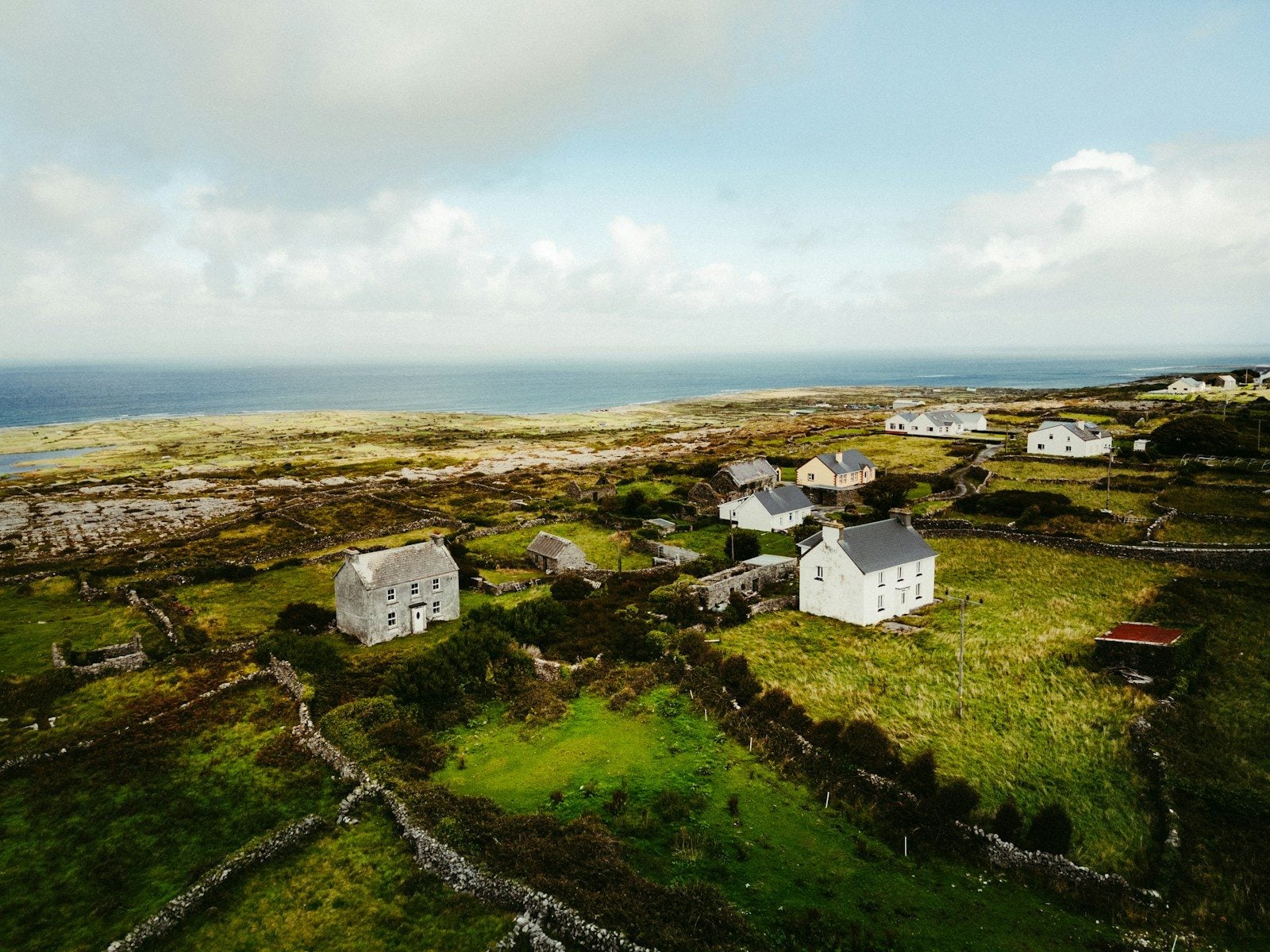
Rural housing in Ireland is facing a significant challenge, with many communities grappling with a severe lack of available homes. This issue isn’t just about bricks and mortar; it’s deeply impacting the fabric of rural life, leading to a noticeable decline in vibrant local communities.
The reality is that without adequate housing, particularly for younger generations and families, the very heart of these areas is at risk. It’s a complex problem, but one that needs urgent attention to ensure the survival and prosperity of our cherished rural towns and villages.
It’s a familiar story across many parts of rural Ireland: young people, often after finishing their education, find themselves with no option but to leave their home communities. The lack of affordable housing, whether for rent or sale, forces them to seek opportunities in larger urban centres like Dublin, Cork, or Galway.
This exodus has a profound ripple effect. Schools see declining enrollments, local sports clubs struggle to field teams, and the general vibrancy that young families bring to an area slowly diminishes. Some argue that this is simply the natural progression of modern life, but the reality is that it’s a direct consequence of housing policy failures.
Consider the plight of many rural primary schools. Once bustling with children, some are now facing amalgamation or even closure due to dwindling numbers. This isn’t just a statistic; it’s a loss of a vital community hub, a place where generations have learned and grown together. The lack of young families directly correlates with these closures, creating a vicious cycle of decline.
Beyond schools, the absence of a stable, growing population puts immense pressure on other essential services. The local shop, often the social heart of a village, struggles to remain viable. Pubs, once central to Irish community life, are closing their doors at an alarming rate. These aren’t just businesses; they are cornerstones of rural identity.
It is tempting to think that online shopping can replace everything, but the social interaction and local employment provided by these services are irreplaceable. When the post office closes, or the only petrol station shuts down, the inconvenience is significant, but the loss of community connection is even greater.
The current housing crisis isn’t confined to urban areas; it’s deeply felt in rural Ireland too. While initiatives exist, many feel they don’t adequately address the unique challenges of rural development. Planning regulations, for instance, are often cited as a barrier to building new homes, particularly one-off houses that are traditional in many rural settings.
There’s also the issue of derelict properties. Across the country, countless empty homes stand as monuments to a bygone era, yet bringing them back into use can be a bureaucratic nightmare. The reality is that a more agile and regionally-focused approach is desperately needed to unlock the potential of these existing structures.
The rise of remote work, accelerated by recent global events, offers a glimmer of hope for rural areas. With reliable broadband, people can work from anywhere, potentially reversing the trend of urban migration. However, this opportunity is only as good as the infrastructure supporting it.
While significant progress has been made, patchy broadband coverage in some remote areas remains a hurdle. For rural Ireland to truly benefit from the remote work revolution, consistent and high-speed internet access is non-negotiable. It’s not just about attracting new residents; it’s about enabling existing communities to thrive in the digital age.
Reversing the trend of rural decline requires a multi-faceted approach. It means supporting local businesses, investing in infrastructure, and crucially, making it easier and more affordable to build and renovate homes. Community-led initiatives, where local people are empowered to drive development, are proving to be incredibly effective.
Consider the success of some rural towns that have actively attracted new residents through innovative schemes. These often involve a combination of affordable housing options, support for entrepreneurs, and the promotion of a high quality of life. It’s about creating an environment where people don’t just want to visit, but want to live and raise families.
One promising avenue is the development of community-led housing projects. These initiatives, often driven by local trusts or cooperatives, aim to provide affordable homes that meet the specific needs of the area. They can bypass some of the traditional barriers and ensure that housing is developed with the long-term sustainability of the community in mind. It’s a grassroots approach that puts local needs first.
The rural housing crisis is a complex issue driven by factors such as a lack of affordable housing, restrictive planning regulations, the exodus of young people to urban centres, and insufficient investment in rural infrastructure and services.
It leads to a decline in population, particularly among younger demographics, which in turn impacts local schools, businesses, sports clubs, and the overall social fabric of the community. Services become unsustainable, and the area loses its vibrancy.
Remote work offers significant potential by allowing people to live and work in rural areas. However, its success hinges on widespread access to reliable, high-speed broadband and the availability of suitable, affordable housing options.
Solutions include community-led housing projects, streamlining planning processes, incentivizing the renovation of derelict properties, investing in rural infrastructure, and supporting local businesses to create employment opportunities.
If you are looking for properties for sale or properties for rent in rural Ireland, platforms like FindQo.ie offer comprehensive listings across various counties. For more insights into the Irish property market, explore our latest blogs. It’s a great starting point to explore what’s available in your desired area.
The challenges facing rural housing in Ireland are significant, but with concerted effort and innovative solutions, our rural communities can thrive once more. Finding the right home is a crucial step in this process, and platforms dedicated to the Irish property market are invaluable resources.
If you are looking for your next home or want to explore what is available in your area, visit FindQo.ie today.
Browse thousands of verified property listings on FindQo.ie