Get a Free Property Valuation in 2-minutes with FindQo.ie Property Valuation Calculator!Free Valuation
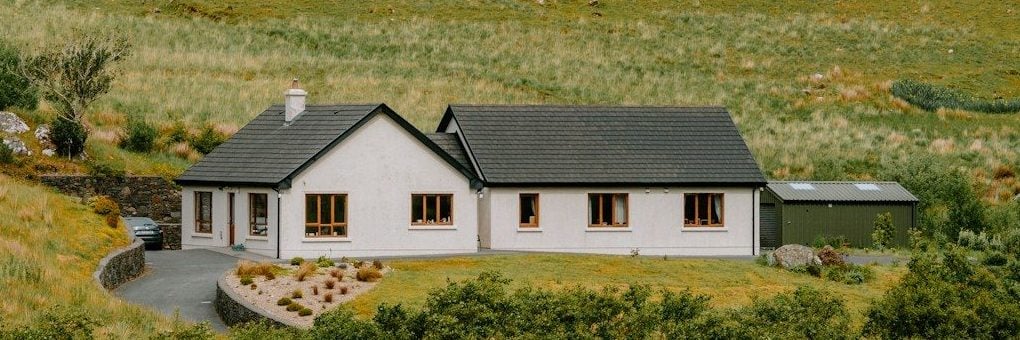
rental crisis Ireland. The rental crisis in Ireland has reached alarming levels, affecting many demographics across the country. With average rents soaring, particularly in urban areas, it is essential to understand who is truly being left behind in this challenging market. From families to students, the implications of rising rental prices are far-reaching.
In this article, we will delve into the current state of the rental market in Ireland, highlight the disparities in rental prices, and explore potential solutions for both landlords and tenants. We will also look beyond Dublin to see how other cities are coping with similar challenges.
The rental crisis in Ireland has intensified over the past few years, with the Residential Tenancies Board (RTB) reporting a significant increase in average rents. For instance, average rents in Dublin 7 are considerably higher than those in many rural areas, creating a stark divide in housing affordability. This has particularly impacted lower-income groups and families, who struggle to find affordable accommodation.
As of the latest RTB statistics, rents in Dublin have increased by over 10% annually, while many rural areas see much slower growth. This divergence highlights the urgent need for effective policy solutions to address the challenges faced by those on low incomes.
The disparity in rental prices within Dublin is striking, especially when comparing areas like Dublin 2 and Dublin 8. Dublin 2, known for its proximity to the city centre and amenities, commands significantly higher rents than Dublin 8, which offers more family-friendly options.
Families looking for rental properties in Dublin 8 benefit from a range of family-friendly amenities, including parks and schools. However, the availability of larger rental properties is limited, making it challenging for families to secure suitable accommodation. In contrast, Dublin 2 offers larger homes but at a premium price, pushing many families out of reach.
Students face their own set of challenges when finding rental accommodation near universities in Dublin. Areas like Rathmines are popular among students but have seen rents skyrocket, while Drumcondra offers slightly more affordable options. This situation puts pressure on students, many of whom are already facing financial constraints.
While Dublin’s rental market often dominates discussions, cities like Cork and Galway are also experiencing significant rental challenges. In Cork, the demand for housing has surged, driven by the biopharma industry, which has led to increased rental prices and competition for available homes.
Current rental prices in Cork reflect the growing demand, with CSO data indicating a marked increase in average rents. The biopharma industry’s influence on housing demand has created a competitive market, leaving many potential renters struggling to find affordable options.
Galway’s rental landscape is heavily influenced by its student population and tourism. Areas popular among renters, such as Salthill and the city centre, have seen rising rents, which in turn affects local amenities and availability. The influx of tourists during peak seasons further complicates the situation.
When choosing rental properties, the importance of local amenities cannot be overstated. Proximity to schools and hospitals, particularly in areas like Dublin 4, greatly influences rental desirability. Cork’s residential zones offer green spaces that enhance living conditions, while Galway’s cafés and community hubs play a vital role in attracting renters.
To address the rental crisis, landlords can adopt several strategies to accommodate struggling tenants. Flexible leasing options, for instance, allow for both short-term and long-term stability, catering to various tenant needs.
Landlords might consider offering flexible leasing options, which can provide tenants with more security and adaptability in uncertain economic times. This approach could benefit both parties, fostering a more stable rental environment.
Emerging rent-to-buy schemes in urban areas present an innovative solution for both landlords and renters. These schemes allow tenants to gradually invest in properties, potentially easing the burden of rising rents while providing landlords with a secure income stream.
Thinking of selling or letting? List your property on FindQo.ie to reach buyers and renters across Ireland.
The rental crisis in Ireland affects various demographics, with families and low-income groups facing the most significant challenges. Rising rents limit their housing options, forcing many to seek accommodation further from urban centres or to compromise on space and amenities.
Average rental prices in Dublin are notably higher than in other cities. For example, Dublin’s average rent is around €2,200, while cities like Cork and Limerick average €1,400 and €1,200 respectively, highlighting the stark regional differences.
Renters can explore various strategies to secure affordable housing, such as considering areas outside the city centre or seeking properties with flexible leasing options. Utilizing platforms like FindQo.ie can help renters find suitable options within their budget.
Local amenities significantly impact rental prices, as properties near schools, parks, and transport links tend to command higher rents. Renters often prioritize access to these amenities when searching for a home, influencing overall market trends.
The Irish government has introduced various initiatives aimed at mitigating the rental crisis, including rent caps and funding for affordable housing projects. However, many argue that more comprehensive measures are needed to effectively address the growing demand for housing.
Browse thousands of verified property listings on FindQo.ie