Get a Free Property Valuation in 2-minutes with FindQo.ie Property Valuation Calculator!Free Valuation
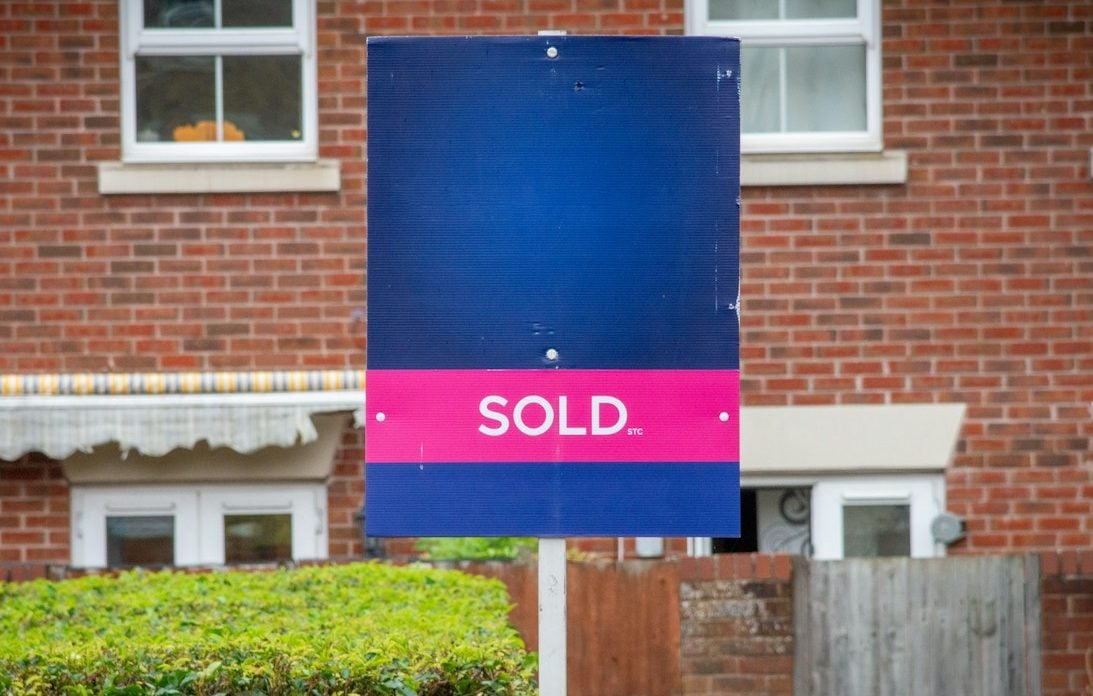
Ireland’s housing crisis has reached a point where hundreds of people are now competing for a single home, particularly in urban areas. Whether renting or buying, demand far outweighs supply, creating intense competition that is pushing prices higher and locking many people out of the market.
This is no longer an isolated issue affecting only Dublin city centre. It is now a nationwide problem, visible in viewing queues, bidding wars, and record-low housing availability.
Across Ireland, estate agents and letting agents regularly report 50 to 200 enquiries for a single rental property within hours of it being advertised. In some high-demand areas, viewings are capped or cancelled entirely due to overwhelming interest.
For buyers, competition takes a different form:
This level of competition reflects one core issue: there are simply not enough homes available.
Ireland’s housing supply has consistently fallen short of what is needed to meet population growth and household formation.
Key factors include:
At the same time, demand continues to rise due to employment growth, inward migration, and people remaining longer in the rental sector because homeownership is increasingly unaffordable.
The rental market shows the sharpest impact of housing shortages. In many cities:
For renters, competition means limited choice and little negotiating power. Even households with stable incomes are struggling to secure long-term accommodation.
For buyers, particularly first-time buyers, competition is driving prices higher. Homes regularly sell above asking price, especially in commuter belts and family-friendly areas.
This has led to:
Many buyers are forced to widen their search area or delay purchasing altogether.
When hundreds compete for one home, the effects go beyond price increases. Housing insecurity affects:
Employers, schools, and local communities all feel the impact when people cannot live near where they work or study.
Reducing competition requires one clear solution: more housing supply, particularly social, affordable, and cost-rental homes.
Key priorities include:
Without meaningful increases in supply, competition for housing will remain extreme.
The reality of hundreds of people competing for one home is a clear sign that Ireland’s housing system is under severe strain. Until supply catches up with demand, renters and buyers will continue to face intense competition, rising costs, and growing uncertainty.
Understanding the scale of this issue is essential for anyone involved in Ireland’s property sector — from policymakers to agents, landlords, buyers, and renters.
Thinking of selling or letting? List your property on FindQo.ie to reach buyers and renters across Ireland.
The current housing competition in Ireland is driven by a combination of high demand, limited supply, and increasing property prices. Urban areas are particularly affected, with buyers and renters competing fiercely for available homes.
First-time buyers can compete by researching the market, being prepared with financing, and considering properties that may need renovation. Additionally, utilizing government schemes like Help to Buy can provide financial assistance.
Areas with strong rental demand, such as Dublin, Cork, and Galway, are considered the best for property investment. Locations near universities or major transport links often provide attractive yields.
When buying a home, consider amenities like schools, parks, and public transport options. Properties near these facilities tend to have higher values and greater demand, making them a wise investment.
Transport links significantly influence property values, as areas with easy access to public transport tend to attract more buyers and renters. Properties near LUAS or DART stations often see increased demand and higher prices.
Browse thousands of verified property listings on FindQo.ie