Get a Free Property Valuation in 2-minutes with FindQo.ie Property Valuation Calculator!Free Valuation
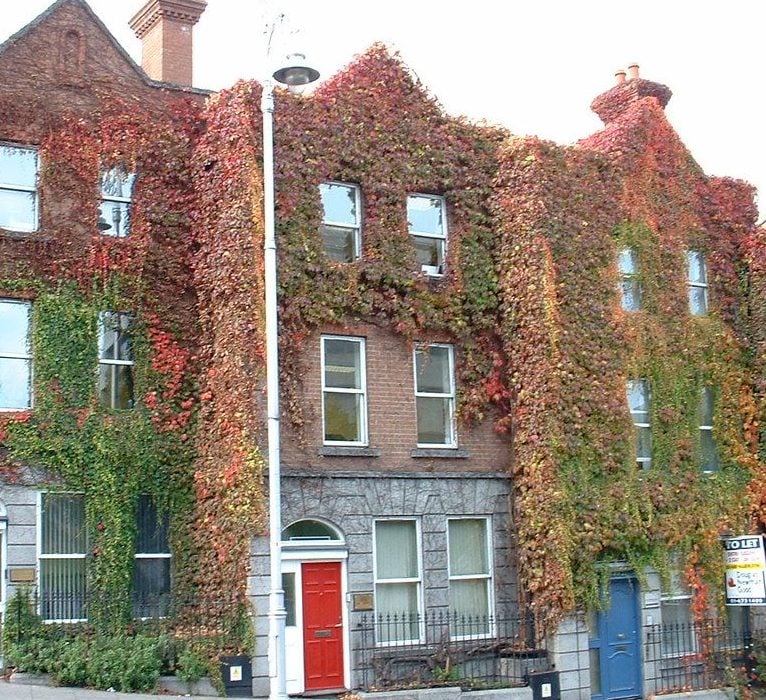
The Dublin property market plays a central role in Ireland’s real estate landscape, influencing trends and prices across the country. As the capital city, Dublin not only boasts a vibrant economy but also serves as a hub for employment, particularly in the tech and finance sectors. This article delves into the complexities of the Dublin property market, examining its strengths and vulnerabilities.
Understanding the dynamics of the Dublin property market is crucial for buyers, investors, and renters alike. We will explore the current state of property prices, the impact of local amenities, and the challenges faced by first-time buyers in this competitive environment.
Dublin’s central role in the Irish property market is underscored by its significant economic contributions. According to the Property Price Register, Dublin’s property prices consistently outpace those in other regions. For instance, the average property price in Dublin 4 stands at €650,000, compared to significantly lower prices in cities like Galway and Cork.
The concentration of employment in Dublin, especially in sectors like technology and finance, continues to attract both domestic and international residents. This influx supports demand for housing, further driving property prices upwards.
While Dublin’s market offers considerable opportunities, it also poses economic vulnerabilities. Fluctuations in the Dublin property market can have ripple effects on other regions, such as Galway and Cork, where property values may decline in response to downturns in Dublin.
For example, comparing Dublin 2 and Dublin 8 reveals stark differences in price and rental yields. Dublin 2, with its proximity to amenities and transport links, commands higher prices and yields than Dublin 8. The desirability of these areas can significantly influence investment decisions.
Historically, Dublin properties have shown resilience during economic downturns, often recovering faster than other regions. The influx of international investment has played a crucial role in stabilising the market, providing a buffer against local economic fluctuations.
Emerging neighbourhoods like the Docklands and Clonskeagh are attracting attention from investors, thanks to their growing infrastructure and amenities. Average rental yields in these areas are promising, making them attractive options for property investment.
Current property prices across Dublin postcodes (D1-D24) reflect the ongoing demand, with properties typically selling or letting within 30 days. Investors can expect typical yields ranging from 5-7%, depending on the area.
Dublin offers a wealth of lifestyle amenities, including renowned schools, parks like Phoenix Park, and cultural institutions such as Trinity College. The availability of local amenities significantly influences property values, with areas offering better access to schools and recreational facilities generally seeing higher demand.
Transport accessibility, including DART and LUAS services, plays a vital role in property desirability. Areas with strong transport links often attract higher rental prices due to the convenience they offer to commuters, further enhancing their investment appeal.
First-time buyers in Dublin face numerous challenges, including high property prices and competition in a crowded market. It is tempting to think that the dream of home ownership is out of reach for many.
However, government initiatives like the Help to Buy scheme provide some relief, helping first-time buyers manage deposit requirements and mortgage options. Understanding these schemes can empower buyers to navigate the market effectively.
Dublin remains an appealing market for buy-to-let investors, with strong demand for rental properties. Investors are increasingly looking towards emerging trends, such as student rentals near universities like UCD and Trinity College.
The rise of short-term lettings also presents potential returns, catering to the growing tourism sector. Investors should stay attuned to these trends to capitalise on opportunities in the Dublin market.
Thinking of selling or letting? List your property on FindQo.ie to reach buyers and renters across Ireland.
Current trends in the Dublin property market indicate a steady increase in prices, driven by high demand and low supply. The ongoing influx of international investors and the growth of the tech sector are contributing to these trends, making Dublin an attractive location for property investment.
The rental market in Dublin is notably more expensive than in other Irish cities, with average rents significantly higher. Factors such as employment opportunities and lifestyle amenities contribute to this disparity, leading many to seek rentals in nearby suburban areas.
Investors should be aware of potential market fluctuations and economic vulnerabilities tied to the Dublin property market. The reliance on sectors like tech and finance can create risks, making it essential to conduct thorough market analysis before investing.
First-time buyers can navigate the Dublin property market by understanding available government schemes, budgeting for high prices, and exploring various neighbourhoods. It is advisable to consult with local estate agents and stay informed about market trends.
The long-term prospects for property prices in Dublin appear positive, with continued demand and investment expected to drive growth. However, potential economic downturns and policy changes could impact future trends, making it important for investors to remain vigilant.
Browse thousands of verified property listings on FindQo.ie