Get a Free Property Valuation in 2-minutes with FindQo.ie Property Valuation Calculator!Free Valuation
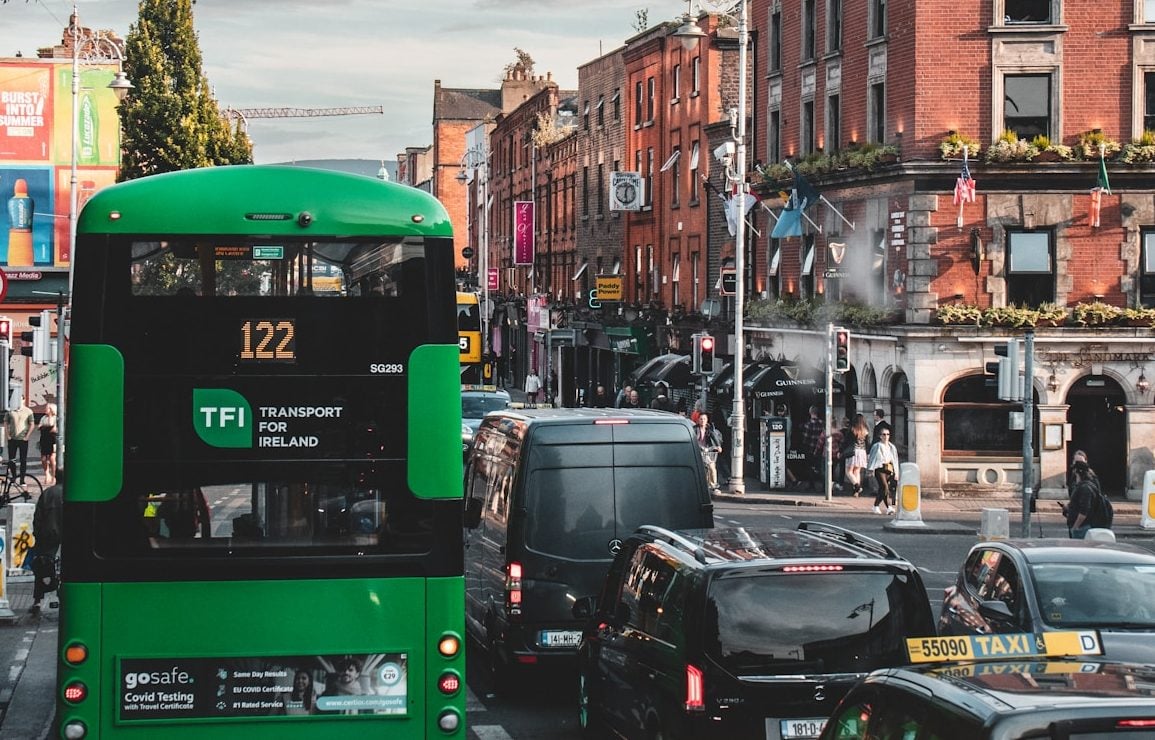
Ireland is experiencing a sustained population boom, with the Central Statistics Office (CSO) reporting year-on-year population growth since 2019. While population growth reflects economic strength and opportunity, it has also created a major property bottleneck, particularly in urban areas where housing supply is failing to keep pace with demand.
This imbalance between population growth and housing delivery is now one of the biggest pressures on Ireland’s property market, affecting buyers, renters, and investors nationwide.
Ireland’s population growth has been driven by a combination of natural increase and net migration. Employment opportunities, higher education, and urban lifestyles continue to attract people to cities such as Dublin and Cork.
As population numbers rise:
Without a matching increase in housing supply, competition for homes becomes unavoidable.
The property bottleneck occurs when housing supply grows more slowly than population demand. In Ireland, this has been caused by several long-term issues:
As a result, more people are competing for fewer homes, driving up prices and rents across the country.
The impact of the population boom is most visible in Ireland’s cities.
Dublin
Cork
While Cork remains more affordable, it is beginning to experience similar supply pressures as population growth accelerates.
For buyers, the bottleneck results in:
For renters, the effects are even more immediate:
The lack of supply means demand continues to push prices higher, regardless of affordability.
First-time buyers are particularly exposed to the effects of the property bottleneck. Rising prices, higher deposits, and increased interest rates make it harder to enter the market, especially in high-demand urban areas.
Government supports such as the Help to Buy scheme provide some relief, but without increased housing delivery, these measures alone cannot resolve the supply issue.
From an investment perspective, the property bottleneck creates strong rental demand, particularly in cities and commuter areas. However, rising purchase prices and regulatory costs are placing pressure on yields.
Investors must balance:
The bottleneck benefits demand but increases risk if supply constraints persist.
New transport infrastructure, including LUAS and DART expansions, has the potential to ease pressure by opening up new residential areas. Regeneration projects, such as those in Dublin Docklands, may also increase housing supply over time.
However, without sustained delivery of new homes at scale, infrastructure alone will not resolve the property bottleneck.
Ireland’s population boom is reshaping the property market, but housing supply has not kept pace. The result is a clear property bottleneck, marked by rising prices, intense competition, and reduced affordability.
Until housing delivery aligns more closely with population growth, pressure on buyers, renters, and investors is likely to continue.
FindQo.ie helps you stay informed as Ireland’s property market evolves.
Thinking of selling or letting? List your property on FindQo.ie to reach buyers and renters across Ireland.
The population growth in Ireland is primarily driven by a combination of natural increase and migration. Many individuals and families are relocating to urban centres for work opportunities, education, and improved quality of life. This trend is supported by favourable economic conditions, making cities like Dublin and Cork attractive destinations.
The property bottleneck significantly influences rental prices, particularly in high-demand areas. As the supply of available properties decreases while demand remains high, landlords are often able to increase rents. This situation can make it challenging for renters to find affordable options, leading to a competitive rental market.
As of now, average property prices in Dublin 1 are approximately €500,000, while in Cork City Centre, they are around €300,000. This discrepancy highlights the significant difference in market dynamics between the two cities, with Dublin generally being more expensive due to higher demand.
First-time buyers in Ireland can benefit from several government schemes, such as the Help to Buy scheme, which provides financial assistance towards a deposit. Additionally, understanding current stamp duty thresholds is essential, as they can affect the overall cost of purchasing a property.
Investors can find opportunities in a competitive market by focusing on emerging areas with growth potential, such as those benefiting from new transport links or regeneration projects. Engaging with local property experts and utilizing platforms like FindQo.ie can also help in identifying promising investment properties.
Browse thousands of verified property listings on FindQo.ie