Get a Free Property Valuation in 2-minutes with FindQo.ie Property Valuation Calculator!Free Valuation
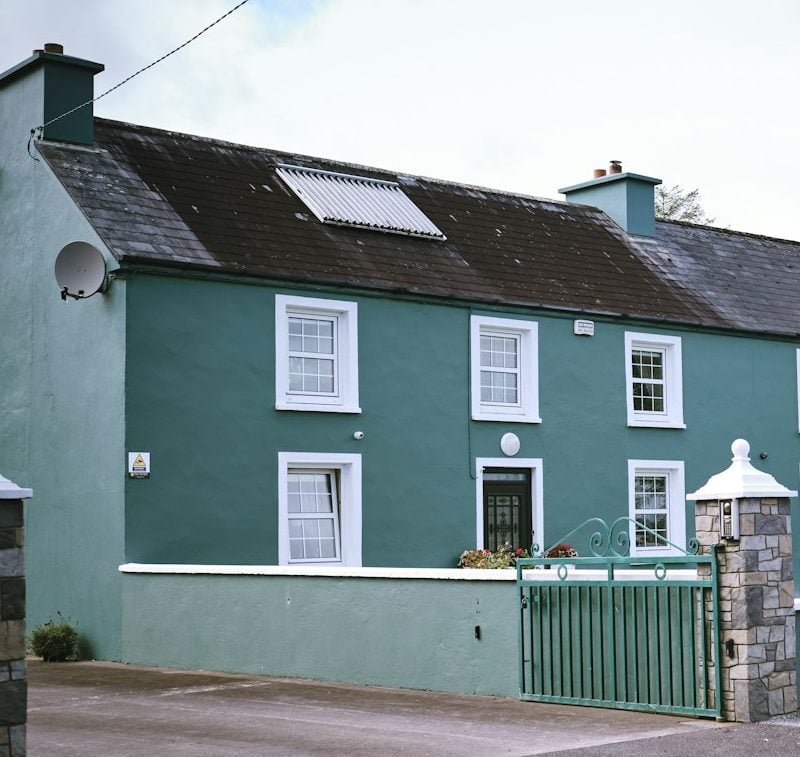
Local authorities in Ireland play a pivotal role in addressing the pressing issue of affordable housing. They are tasked with planning, funding, and delivering housing solutions tailored to local needs. Understanding their role can shed light on how communities can better navigate the current housing crisis.
With local governance at the forefront, councils can respond to specific housing challenges that vary from one area to another, making their involvement essential in crafting effective solutions for affordable housing.
Local authorities serve as the backbone of housing policy in Ireland, primarily focusing on the delivery of affordable housing. They are responsible for implementing national housing strategies while also catering to local needs, which is vital in a country facing significant housing shortages.
The importance of local governance cannot be overstated, as it enables councils to identify and address unique housing challenges in their areas, ensuring that policies are relevant and effective in meeting community needs.
One notable example is the Dublin City Council’s approach to tackling the housing crisis. Dublin is experiencing one of the most severe housing shortages in the country, prompting local authorities to devise innovative strategies to increase the availability of affordable housing. Initiatives include partnerships with developers and the use of modular homes.
Dublin’s housing crisis stems from rapid population growth and insufficient housing supply, leading to inflated prices and increased demand for affordable options. Local strategies aim to mitigate these issues through targeted developments and community engagement.
Local authorities employ various funding models to support affordable housing initiatives. Government grants and local financing methods play a crucial role, enabling councils to invest in housing projects that meet community demands. These funding sources are essential for sustaining long-term housing solutions.
Staffing shortages within local authorities can significantly hinder housing projects. In counties like Kildare, delays in planning permissions are frequently reported, impacting the timely delivery of much-needed housing. Insufficient staffing levels can lead to bottlenecks that exacerbate the housing crisis.
Moreover, funding challenges faced by local councils can further complicate housing delivery. Recent budgets from the Department of Housing reveal allocations that may not meet the escalating demands for affordable housing, highlighting the need for increased financial support.
In examining current housing prices, Dublin 8 shows a median price for 2-bedroom apartments at approximately €400,000, while Dublin 2 averages around €500,000. This disparity illustrates how location impacts affordability in the capital.
In Cork City Centre, the average days on market for properties is around 45 days, reflecting a competitive rental market. Understanding these metrics is crucial for both buyers and renters as they navigate their options.
Local amenities play a significant role in influencing housing demand. Areas like Tallaght, with access to schools, parks, and public transport options, tend to attract more families looking for affordable housing. Proximity to essential services can greatly enhance a location’s appeal.
Lifestyle preferences are also shaping demand for affordable housing, particularly in areas close to LUAS and DART stations. This accessibility can be a deciding factor for many prospective buyers and renters.
First-time buyers in urban areas face several hurdles, especially in Dublin 3 and Limerick, where rising prices have made homeownership increasingly difficult. These challenges include high deposit requirements and limited availability of suitable properties.
Fortunately, local authorities provide resources for first-time buyers, including information on grants and support schemes, helping them navigate the complexities of the housing market.
Emerging areas for investment in affordable housing include regeneration zones in Cork, which are seeing increased interest from developers. These areas present opportunities for investors looking to capitalise on the growing demand for affordable housing.
Regions like Waterford are showing typical yields of around 7%, making them attractive for landlords seeking to enter the affordable housing market. Understanding market performance in these areas is crucial for making informed investment decisions.
Local authorities play a critical role in delivering affordable housing in Ireland, navigating the complexities of funding, staffing, and local needs. Their strategies and initiatives are essential for addressing the ongoing housing crisis.
Thinking of selling or letting? List your property on FindQo.ie to reach buyers and renters across Ireland.
Local authorities influence affordable housing through planning, funding, and implementing national housing policies tailored to local needs. They engage with communities to identify specific housing challenges and develop strategies to address them effectively.
Local councils face several challenges, including staffing shortages and funding constraints, which can delay housing projects. Budget allocations from the government may not always meet the rising demands for affordable housing, complicating delivery efforts.
First-time buyers can navigate the current market by exploring available resources through local authorities, such as grants and support schemes. Understanding market trends and being well-informed can also help them make better purchasing decisions.
Recent trends indicate rising rental prices, with Dublin experiencing significant increases. The RTB rent index shows a 5% rise in rental prices in the capital, reflecting the ongoing demand for rental properties.
Investors should consider emerging areas for investment, such as regeneration zones, and assess typical yields in regions like Waterford. Understanding the local market dynamics and potential returns is crucial for making informed investment choices.
Browse thousands of verified property listings on FindQo.ie