Get a Free Property Valuation in 2-minutes with FindQo.ie Property Valuation Calculator!Free Valuation
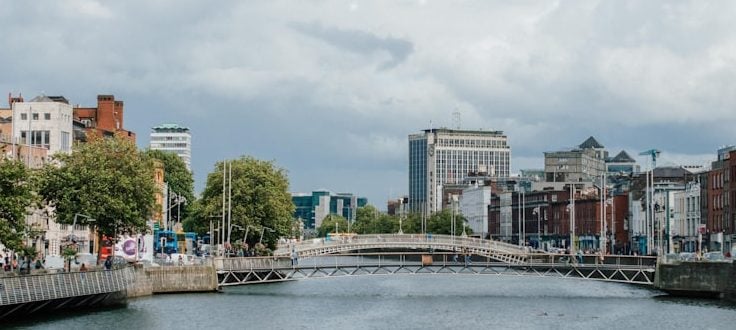
In Ireland, a €50,000 salary is often perceived as a comfortable income. However, the reality of living on this amount is increasingly challenging due to soaring living costs. This article delves into the financial landscape of major Irish cities and how a €50,000 salary stacks up against rising rents and essential expenses.
As we explore the realities of living on this salary, it becomes evident that many are left feeling the pinch. With the cost of living continuing to rise, understanding the financial implications of this salary is crucial for both renters and buyers alike.
The salary landscape in Ireland has undergone significant changes in recent years. While €50,000 might have been considered a good salary a decade ago, the increasing costs of living in urban areas have made it less advantageous. For many, after taxes and essential expenses, the disposable income is drastically reduced.
In cities like Dublin, Cork, and Galway, the difference in living costs can be stark, impacting how far a €50,000 salary actually stretches. As we break down these costs, it’s clear that financial planning is more important than ever.
Rent prices vary significantly across Ireland, particularly in major cities. Here are the average monthly rents for one-bedroom apartments:
The location plays a crucial role in rental prices. Dublin remains the most expensive city, driven by high demand and limited supply. Meanwhile, Cork and Galway offer slightly more affordable options, yet they are still significant financial commitments.
Living expenses extend beyond rent, encompassing utilities, groceries, and transport. Here’s a breakdown of typical monthly expenses:
These costs can quickly add up, highlighting the financial pressure on renters and buyers alike. The implications of these expenses can strain budgets, making it difficult to save or invest.
Property prices and rental trends are continually evolving. Recent statistics from the Property Price Register and CSO indicate some key trends:
Understanding these trends is essential for potential buyers and investors. Stock availability and new developments can also influence market dynamics, providing opportunities for those looking to enter the property market.
The lifestyle one can afford on a €50,000 salary varies significantly between cities. In Dublin 2, residents enjoy access to a wealth of amenities, including schools, parks, and cafés. In contrast, Dublin 8, while vibrant, may offer fewer high-end options.
Transport links also play a vital role in daily life. Dublin’s extensive LUAS and DART networks provide ease of access, while Galway and Cork offer their own reliable transport options. Recreational opportunities abound, from coastal walks in Galway to cultural events in Cork.
First-time buyers face unique challenges in Dublin compared to Cork. Rising prices and limited stock can make purchasing a home daunting. However, government schemes like Help to Buy provide some assistance.
Saving for a deposit is crucial, particularly in a market where prices are continually escalating. Understanding the financial landscape can empower first-time buyers to make informed decisions.
The investment landscape in Dublin and Cork presents numerous opportunities. Investors must weigh short-term versus long-term rental strategies, considering factors like location and market demand.
Emerging neighbourhoods are also worth watching for investment potential. Areas experiencing regeneration or new developments often yield higher returns, making them appealing to savvy investors.
Thinking of selling or letting? List your property on FindQo.ie to reach buyers and renters across Ireland.
The cost of living in Dublin is significantly higher than in other Irish cities like Cork and Galway. Factors such as rent, utilities, and transport contribute to this disparity, making it essential for those considering a move to assess their budget carefully.
In Dublin 4, property prices are among the highest in the city, with average prices for apartments often exceeding €400,000. This area is sought after for its amenities and proximity to the city centre, making it a competitive market for buyers.
Navigating the rental market can be challenging for first-time renters. It’s essential to research areas, understand average rents, and be prepared with necessary documentation. Websites like FindQo.ie can provide valuable insights and listings to help you find the right property.
First-time buyers in Ireland can benefit from several government schemes, including the Help to Buy scheme, which offers a tax rebate to assist with deposit costs. Understanding these options can help buyers make informed decisions in a competitive market.
Yes, areas in Cork such as the city centre and nearby suburbs often exhibit high rental yields, making them attractive for investors. Keeping an eye on emerging neighbourhoods can also reveal lucrative opportunities in the rental market.
Browse thousands of verified property listings on FindQo.ie