Get a Free Property Valuation in 2-minutes with FindQo.ie Property Valuation Calculator!Free Valuation
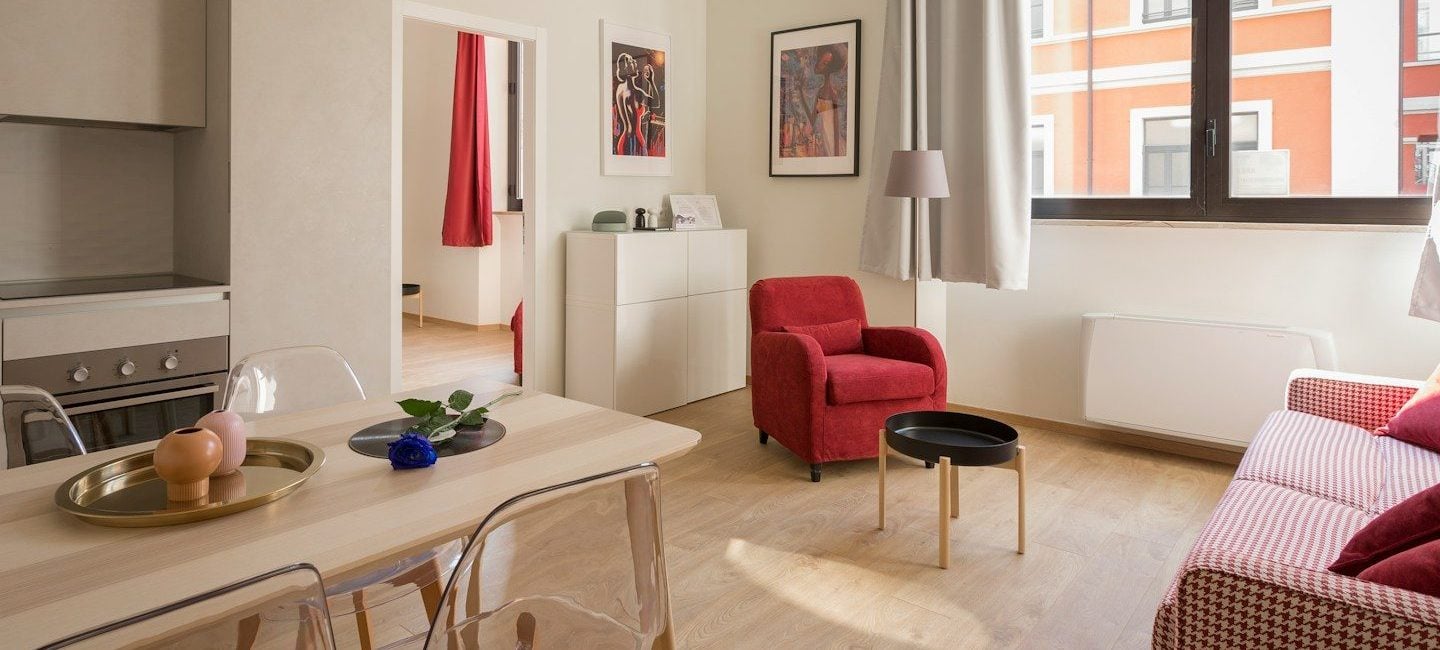
In recent years, the rental market in Ireland has seen dramatic shifts, with the €1,500 room emerging as a significant benchmark. This price point reflects not only the escalating costs of living but also the changing dynamics of urban life across major cities.
As we delve into the current landscape of room rental prices in Ireland, it becomes clear that the €1,500 room is more than just a rental; it encapsulates the broader socio-economic trends affecting Irish society today.
The €1,500 room represents a pivotal point in today’s rental market. It is increasingly becoming the norm in urban areas, particularly in Dublin, where demand continues to outstrip supply. This pricing trend is indicative of the broader economic conditions affecting many Irish households.
Comparing rental prices across major cities, Dublin typically commands higher rates than Cork and Galway. While €1,500 may secure a room in Dublin, similar accommodation in Cork and Galway may be slightly lower, reflecting local market conditions and the availability of properties.
Insights from the Residential Tenancies Board (RTB) rent index reveal that rental growth has been particularly pronounced in Dublin, with €1,500 rooms becoming commonplace in desirable neighbourhoods.
In Dublin, the €1,500 room can vary significantly based on location. An analysis of Dublin 1 and Dublin 4 shows that while both areas offer vibrant lifestyles, the value for money differs greatly. In Dublin 1, one might find modern amenities and proximity to nightlife, while Dublin 4 may offer more spacious accommodations.
Breaking down popular neighbourhoods like Ranelagh, Rathmines, and the Docklands, the average rent prices for €1,500 can yield differing experiences. In Ranelagh, for example, residents enjoy a lively community atmosphere, while Docklands offers a more corporate feel with modern apartments.
For €1,500, renters can expect various amenities, from stylish interiors to proximity to transport links. These factors contribute to the appeal of these areas, making them competitive in the bustling Dublin rental market.
Transport links are crucial for those renting €1,500 rooms in Dublin. The LUAS Green Line and DART access make commuting easier, with average commute times to key employment hubs around 30 minutes. Areas like Rathmines and Ranelagh are particularly well-connected, appealing to young professionals.
The rise of the €1,500 room reflects broader societal changes in Ireland, particularly as high rents become the norm. This trend raises questions about affordability and the evolving lifestyle choices of many Irish citizens.
A case study of the impact of tech firms on demand in Dublin’s rental market illustrates how industry growth has led to increased competition for housing, further driving up prices. As more professionals flock to Dublin, the demand for €1,500 rooms continues to rise.
High rents significantly impact young professionals and families, often forcing them into smaller accommodations or out of central areas altogether. This shift is not just economic; it alters the demographics of high-rent areas, leading to a diverse landscape that reflects various lifestyles.
Living in and around €1,500 rentals in Dublin offers access to a variety of local amenities, including schools, parks, and cafés, particularly in Dublin 2 and Dublin 8. These areas provide a vibrant lifestyle, making them desirable for renters.
The role of GAA clubs and local sports facilities in fostering community spirit cannot be overstated. These amenities not only promote health and well-being but also create a sense of belonging among residents.
Access to parks and recreational areas, such as St Stephen’s Green and Herbert Park, enhances the appeal of €1,500 rentals. These spaces offer residents a respite from urban life, contributing to overall quality of life.
For first-time buyers, the question arises: is it better to buy or rent a €1,500 room? The financial implications of renting versus purchasing can be significant, particularly in light of current mortgage rates.
Many first-time buyers are weighing their options, considering the potential for property appreciation against the flexibility of renting. The availability of new-build schemes in Dublin and surrounding areas may also influence these decisions.
Current mortgage rates are a key factor in buying decisions, impacting affordability for first-time buyers. Additionally, government initiatives aimed at supporting new builds may provide opportunities for those considering homeownership.
Several factors influence room rental prices in Ireland, including location, demand, and property condition. Areas with high demand and limited supply, such as Dublin, typically see higher prices. Market trends and economic conditions also play significant roles.
€1,500 is increasingly considered a reasonable price for a room in Dublin, especially in desirable areas. While it may seem high, the demand for quality accommodation and the cost of living in the city justify this price point for many renters.
Some of the best areas to rent a room for €1,500 in Dublin include Ranelagh, Rathmines, and the Docklands. These neighbourhoods offer a vibrant lifestyle, excellent amenities, and good transport links, making them popular choices among renters.
The pandemic initially caused a dip in rental prices, but they have since rebounded. Many areas have seen increased demand as people return to urban living, affecting prices and availability. The shift in work habits has also influenced where people choose to live.
Before renting a room at €1,500, consider factors such as location, amenities, and transport links. It’s also important to evaluate your budget and compare prices in the area to ensure you’re getting good value for your money. For a comprehensive view of available options, visit FindQo.ie.
Reflecting on the implications of €1,500 rentals in Ireland’s property market reveals the complexities of modern living. As rental prices continue to rise, platforms like FindQo.ie play a crucial role in helping buyers, renters, and landlords navigate this evolving landscape.
Browse thousands of verified property listings on FindQo.ie