Get a Free Property Valuation in 2-minutes with FindQo.ie Property Valuation Calculator!Free Valuation
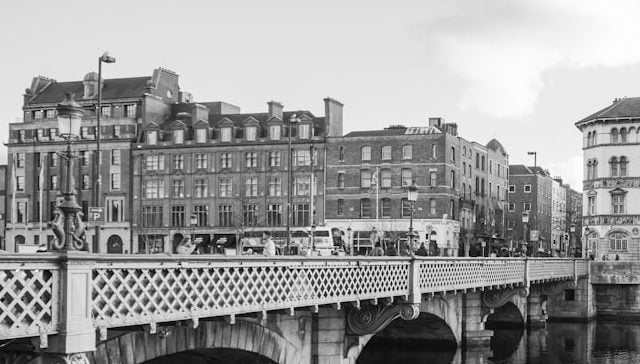
Dublin’s rental market is experiencing significant changes, with prices continuing to rise. Understanding the factors influencing this trend is crucial for renters and landlords alike. In this article, we will delve into the current rental landscape, compare prices across various Dublin postcodes, and explore the underlying reasons for these increases.
This comprehensive overview will not only highlight the statistics but also provide insights into how lifestyle choices and local amenities contribute to the overall rental prices in Dublin.
Dublin’s rental landscape has seen considerable shifts in recent years, primarily driven by an imbalance between demand and supply. The Residential Tenancies Board rent index has shown that average rent increases have surged, with many areas reporting rises of 8% or more over the past year.
This increase can be attributed to various factors, including a growing population, limited housing supply, and a surge in demand for rental properties, particularly in central locations. As more individuals and families seek homes in the city, the competition for available rentals intensifies, further pushing up prices.
Rent prices in Dublin vary significantly across different postcodes. For instance, areas like D1 and D2 are among the most expensive, with average rents reflecting the desirability of their location near cultural and commercial hubs.
In addition to postcode differences, micro-markets such as Smithfield, Ranelagh, and Sandyford showcase notable variations in rental prices. Factors such as local amenities, schools, and transport links play a crucial role in shaping these prices.
For example, Ranelagh’s appeal is enhanced by its vibrant atmosphere and proximity to the city centre, while Sandyford offers modern housing developments appealing to young professionals.
Transport links significantly impact rental prices in Dublin. Areas with easy access to LUAS and DART services, such as Ballinteer and Lucan, tend to command higher rents due to their connectivity to the city.
Shorter commute times increase the desirability of these locations, making them attractive to renters who prioritise convenience in their daily lives.
Several key factors contribute to the rising rent prices in Dublin. Economic conditions, including inflation and wage growth, play a significant role in shaping the rental landscape.
The competition for rental listings is fierce, especially in desirable areas like Dublin 4 and the Docklands. Many potential renters are competing for limited properties, driving prices further up.
Additionally, new developments may influence existing rental prices by introducing more supply into the market, but it often takes time for these changes to balance out demand.
Foreign investment has increasingly influenced Dublin’s rental market, particularly in high-demand areas. International buyers are drawn to the city’s vibrant economy and lifestyle, which can drive up rental prices in popular neighbourhoods.
This influx of investment contributes to a competitive market, making it challenging for local renters to find affordable options.
The current average rent prices across Dublin reflect the ongoing trends in the rental market:
Key lifestyle factors significantly influence rental choices in Dublin. Proximity to essential amenities, schools, and recreational facilities often dictates the desirability of certain areas.
Areas near prominent universities like Trinity College and UCD see increased demand from students and young professionals, which drives rent prices higher in neighbourhoods such as Rathmines and Drumcondra.
The influx of students seeking accommodation leads to a competitive rental market, further exacerbating price increases.
Access to parks and recreational facilities, such as Phoenix Park and coastal areas, also plays a crucial role in shaping rental prices. Properties in these locations often attract higher rents due to the lifestyle benefits they offer.
The competitive landscape poses significant challenges for first-time renters. With rising prices, navigating the rental market can be daunting.
Dublin rent prices continue to rise due to a complex interplay of demand, supply, and lifestyle factors. Understanding these dynamics is crucial for anyone looking to rent or invest in the market.
Thinking of selling or letting? List your property on FindQo.ie to reach buyers and renters across Ireland.
The average rent prices in Dublin for 2023 show significant increases, with a 1-bedroom apartment averaging around €1,800 per month. This figure reflects ongoing trends in the rental market, where demand continues to outstrip supply, leading to higher costs for renters.
Dublin rent prices are generally higher than those in other major Irish cities such as Cork or Galway. The capital’s status as the economic and cultural hub of Ireland contributes to the elevated rental prices, making it crucial for renters to budget accordingly.
Several factors contribute to the rise in Dublin rent prices, including economic conditions, competition for listings, and foreign investment in the property market. These elements create a complex environment for renters, making it essential to stay informed about market trends.
Finding affordable rentals in Dublin can be challenging due to high demand. Utilizing platforms like FindQo.ie can help you discover various listings that fit your budget and needs. Additionally, considering less central areas may yield more affordable options.
As a first-time renter in Dublin, it’s important to understand common requirements from landlords, including references and credit checks. Being prepared with necessary documentation and knowing the average deposit required can help streamline the rental process.
Browse thousands of verified property listings on FindQo.ie